Boarding vs Sinking Ships in Black Flag Resynced: When to Take the Prize
The short answer
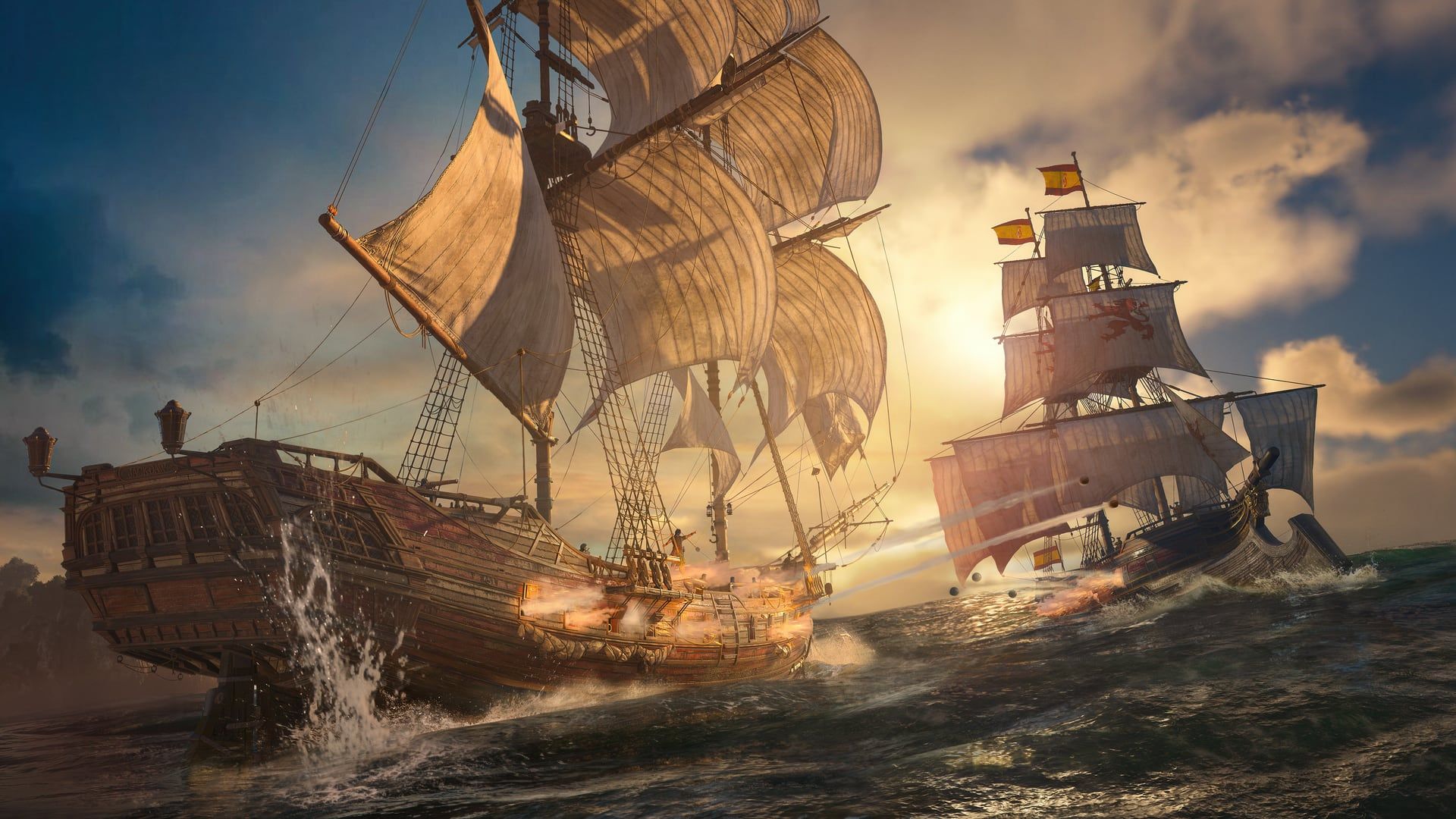
Board a disabled ship when the sea is under control: it pays twice the loot of simply sinking it. That single rule makes boarding the best default for wood, metal, cloth, trade goods, and the other resources that keep the Jackdaw growing. Sinking is the right call only when finishing fast protects you from a larger threat, the ship is a low-value nuisance, or the fight has become too dangerous to leave unfinished.
The trap is treating every disabled hull as a compulsory pirate minigame. Resynced rewards boarding, but it does not reward getting flattened by a nearby hunter because you wanted one more bundle of timber. Disable the valuable target, check the water around you, then choose the profitable answer rather than the dramatic one.
What “disabled” actually means
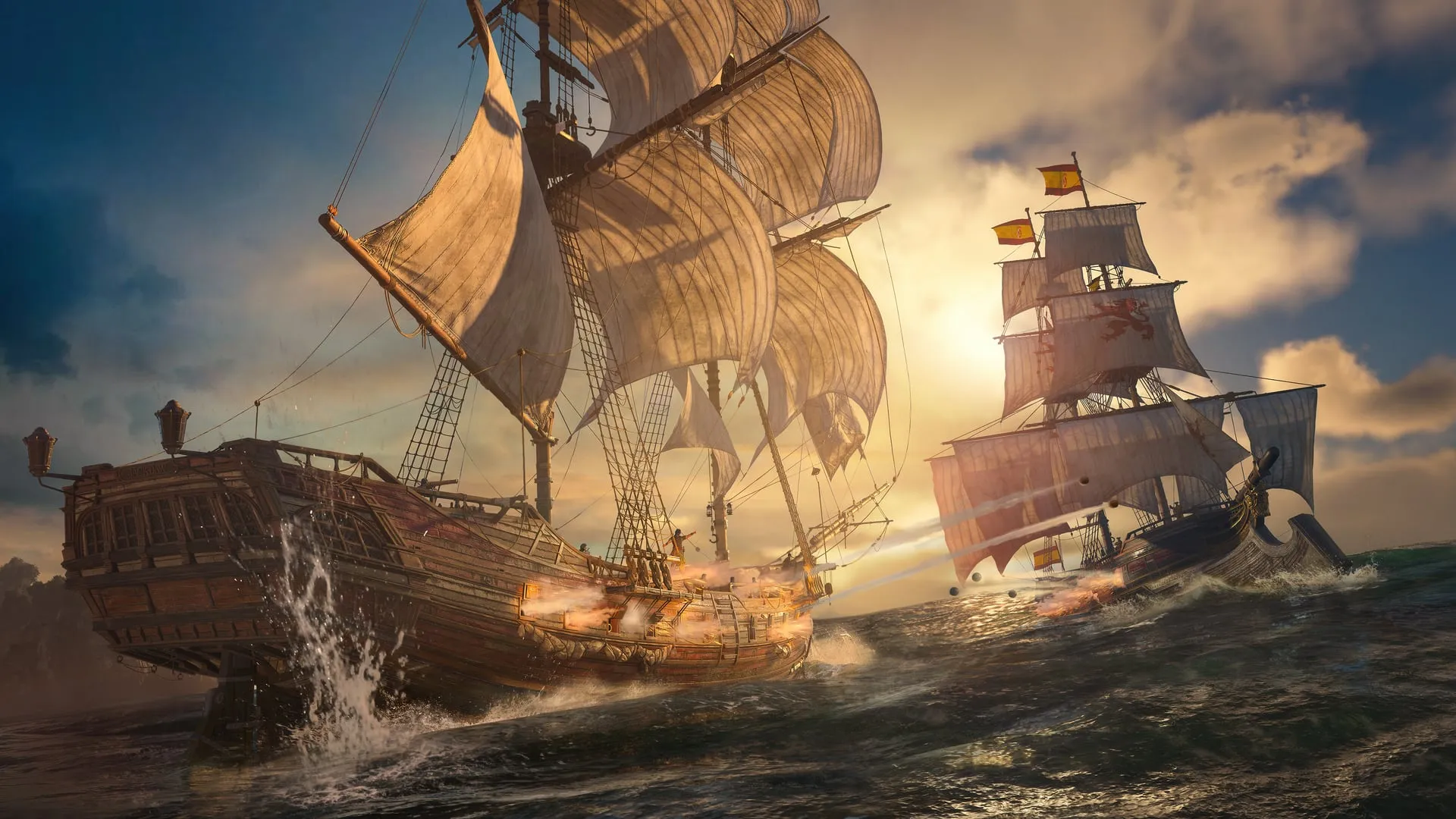
Do not board a healthy ship just because it is close. First reduce its health until the game marks it as disabled. At that point its guns stop being the immediate problem, it becomes a boarding target, and you can pull alongside to start the deck encounter. The naval deep dive is unusually clear on the reward: a boarded disabled ship gives twice the loot of a ship sunk outright.
That is why the final shot matters. If you turn a ship into splinters with broadside fire after it is already helpless, you have chosen speed and safety over materials. There are moments when that is sensible. It should not be your unconscious default while building a new Jackdaw.
Use the sequence below until it becomes automatic:
- Pick a target that is worth the detour. A ship carrying resources you need, a contract target, or a lone enemy in a quiet sea is a strong boarding candidate.
- Disable it cleanly. Keep enough control over your final volley that you do not accidentally sink the prize.
- Scan for a second threat. Look for escort ships, hunters, forts, mortar fire, and rough water before committing.
- Board if the deck is safe enough. Finish the objective, take the doubled haul, and get the Jackdaw moving again.
- Sink if the next thirty seconds are likely to be worse than the reward. A resource haul never repairs a bad decision made under cannon fire.
Why boarding is the upgrade economy answer
The Jackdaw’s early growth is constrained by resources, not by the absence of things to buy. Every improved broadside, hull tier, ram, mortar, or storage choice asks you to keep bringing materials home. Boarding gives you more from each successful naval fight, so it reduces the number of fights needed to afford the next meaningful upgrade.
That makes boarding particularly valuable when you have a purpose. Need wood and metal for a hull improvement? Hunt targets that can pay toward that upgrade and take their cargo intact. Need only a quick clear to reach an objective? Do not turn a simple route into a long deck fight for loot you are not currently short of. The decision is not “honorable pirate versus efficient player.” It is a resource calculation.
The best early habit is to choose one Jackdaw improvement before leaving port, then collect toward it. Without that target, every boarding reward feels useful but your progress spreads thinly across upgrades that do not solve the next hard encounter. With a target, double loot has a job.
When sinking is smarter
Sinking is not a mistake. It is a tool for controlling tempo. Choose it when one of these conditions applies:
A stronger ship is about to join the fight
If a hunter, escort, or another dangerous target is closing in, erase the disabled ship and reposition. Boarding holds the Jackdaw in place long enough for a manageable battle to become a messy one. This is especially true when your hull cannot comfortably absorb a second broadside.
You need to break contact
Sometimes you are already low on health, heading for a mission marker, or escaping a naval Wanted response. A sunk ship cannot keep blocking a narrow route, and a short fight gives you back control of your position. Board later, when you are choosing the fight rather than being chosen by it.
The prize is low value and the deck objective will cost time
Do not ignore a rich target because boarding feels slow, but do not pretend every schooner deserves the same attention. A weak ship that is merely in your way can be sunk. Save the longer interaction for the cargo and materials that move your current upgrade plan.
You are practicing a difficult encounter
When testing a new weapon, clearing a contract timer, or learning a Legendary Ship pattern, survival and repeatability come first. The four Legendary Ship encounters can be attempted again after defeat and award unique Jackdaw cosmetics, but they are not an invitation to force a boarding for ordinary resource value. Win the encounter cleanly.
Make the boarding itself efficient
Once you decide to board, the goal is to get off the enemy deck promptly, not to admire your work. Approach from a position that keeps the enemy’s remaining allies out of your blind side. Complete the board objective with the same economy you use in ground combat: take obvious environmental opportunities, avoid chasing one enemy around the mast, and keep an eye on the condition that ends the sequence.
That does not mean rushing blindly. The deck can become a poor place to linger when another ship is still firing. Use the boarding reward as a reason to clear the deck decisively, then reorient the Jackdaw before celebrating the haul.
A simple decision table
| Situation | Best call | Why |
|---|---|---|
| Lone disabled ship, needed resources, calm water | Board | Double loot accelerates the next Jackdaw upgrade. |
| Disabled ship with an escort closing | Usually sink | Removing the target quickly prevents a second fight from dictating your position. |
| Low hull health or an active escape | Sink and leave | Preserving the Jackdaw is worth more than one cargo payout. |
| Contract or target you have already isolated | Board | You created the safe window; collect its full value. |
| Legendary Ship preparation or a high-risk practice run | Prioritize survival | Learn the pattern and secure the reward before optimizing normal resources. |
The rule to remember
Boarding is the normal answer because Resynced pays double for it. But “normal” is not the same as “always.” Disable a ship, look at the sea, and ask whether the next minute is yours. If it is, take the prize. If it is not, put the ship on the bottom and keep the Jackdaw alive for the better fight ahead.
For more naval planning, see the Jackdaw and naval overview and the combat controls guide for deck-fight fundamentals.
Sources
← Back to Guides