Black Flag Resynced Kenway's Fleet Explained: Which Ships to Keep and How Missions Work
The short answer
Keep captured ships for Kenway’s Fleet when their class fits a mission you can support and you have a fleet slot; use the other boarding outcomes when they solve an immediate problem better. Fleet missions generate passive income, trade goods, and rare activity spawns while you do other things, but sending the wrong underpowered ship can destroy it. This is a management game, not a storage bin.
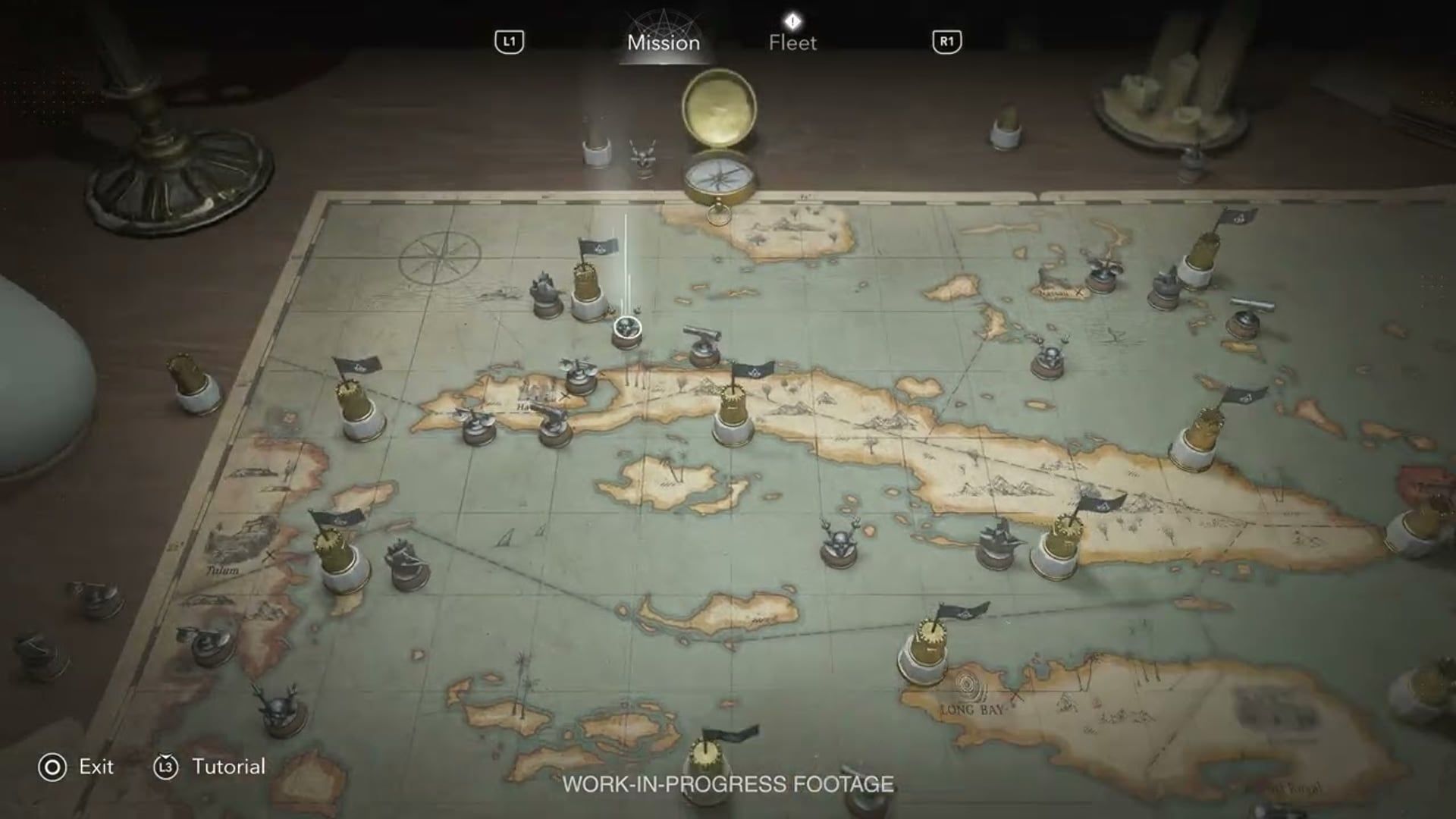
Resynced fully integrates Kenway’s Fleet into the game instead of tying it to the original’s companion app. That makes it a real part of the progression loop: capture a useful ship, keep it repaired, assign it to an appropriate mission, and let it create value while Edward explores or fights elsewhere.
The four boarding outcomes
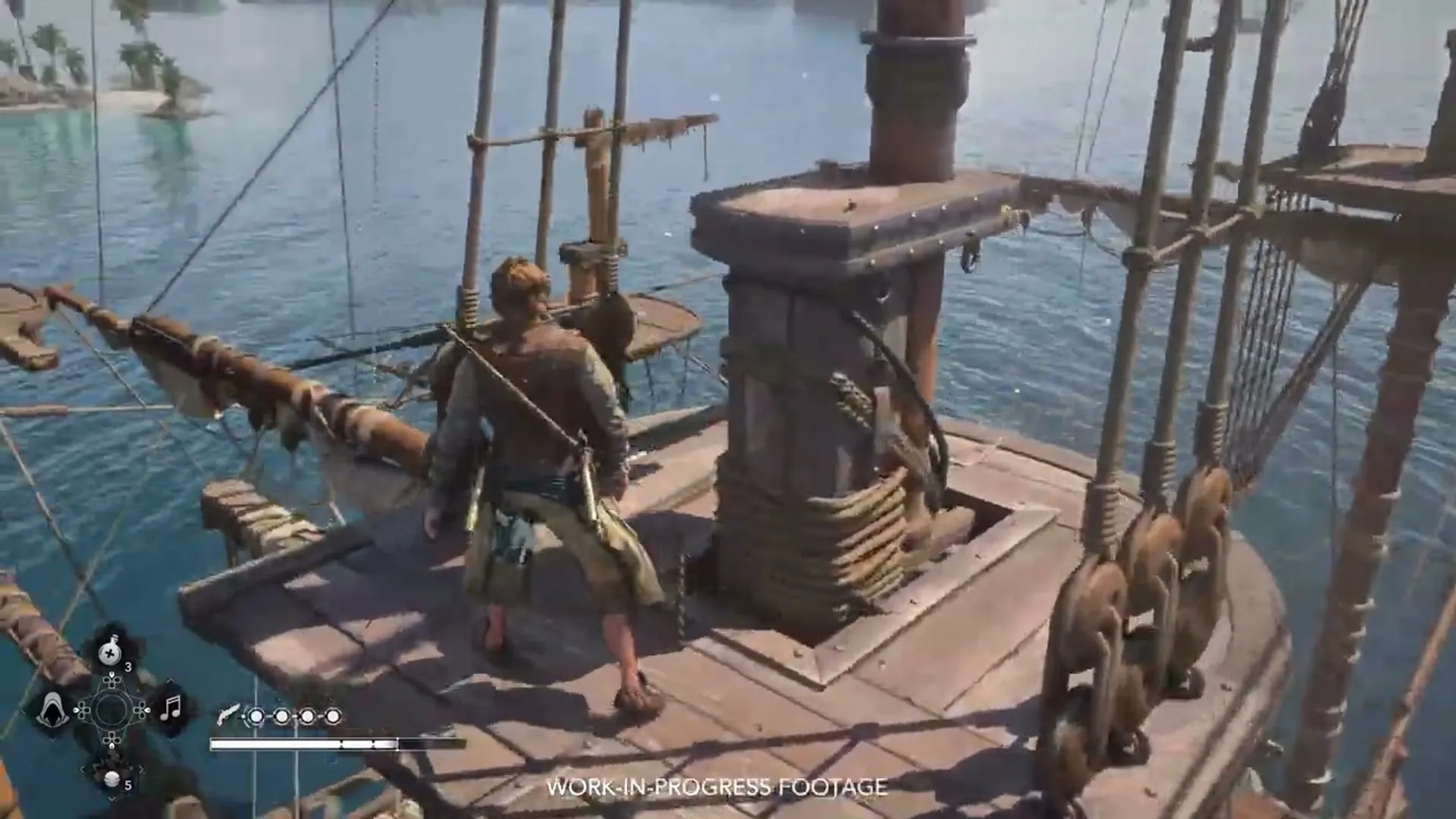
After defeating and boarding a ship, do not automatically add it to the Fleet. Ubisoft lists several outcomes: repair the Jackdaw, lower the Wanted level, add the ship to an empty Fleet slot, and on larger frigates or Man-o-Wars, take the Captain’s Lockbox for extra reales.
Choose based on the next problem:
- Repair when the Jackdaw must survive another fight before a port.
- Lower Wanted when Pirate Hunters are likely to ruin your route.
- Add to Fleet when the ship class fills a mission need and you have capacity.
- Take the Lockbox when the immediate cash is more valuable than another vessel.
Fleet value is delayed. A repair or notoriety reduction can be the smarter choice if it prevents an immediate failure. The best pirate manager does not sacrifice a successful voyage for an empty slot.
Why class matching matters
You can assign one ship to each mission when you have enough docked vessels. Ubisoft says different mission types require specific ship classes to succeed, and warns that sending an underpowered ship on the wrong mission can get it destroyed. That is the entire selection rule: look at the mission requirement before celebrating a new capture.
Do not fill every slot with the first small ships you see. A varied fleet is more valuable than a fleet that only looks large. Capturing a stronger or differently classed ship can open mission options a stack of duplicates cannot. When a useful capture appears, it may be worth choosing Fleet over the short-term repair even if the ship is not immediately sending out on a mission.
Repairs are part of fleet management
The fleet is passive income, not passive maintenance. Ubisoft specifically notes that keeping ships repaired between missions matters as much as expanding the fleet. A vessel that survives one assignment can still be a poor candidate for the next if it has not been restored.
Build the habit of checking the fleet whenever you return to the Captain’s Cabin or Great Inagua. Send only ships that match the mission, review what returned, and repair before assigning another risky task. This small routine is less exciting than a broadside, but it is what turns the system into reliable long-term value.
What missions give you
Fleet assignments can generate passive income, trade goods, and rare activity spawns while you are occupied elsewhere on the map. The reward is not just money. Trade goods and activity opportunities can support the wider resource loop, while passive income lets you return to Great Inagua with options rather than starting every upgrade conversation from zero.
The Treasure Dealer can improve the chance of increased profit on Fleet trading missions, and several Great Inagua upgrades add Fleet slots. That is why Fleet should be considered alongside hideout upgrades rather than as an isolated naval menu. Read the Great Inagua upgrade order before spending every resource on the next cannon tier.
How to build a useful Fleet
- Board ships selectively instead of sinking every target.
- Keep a mix of classes, not a pile of identical weak hulls.
- Add ships when you have a slot and a plausible mission role.
- Match each ship to the mission requirement.
- Repair between missions.
- Expand slots through story and hideout progression when the fleet is already providing value.
This sequence keeps the system from becoming another menu you ignore until you need money. If you only open it when broke, you have already missed the passive-return advantage.
Fleet versus other progression choices
Fleet competes with immediate repairs, lower Wanted level, and Captain’s Lockbox cash after a boarding. There is no universal winner. If a damaged Jackdaw is entering a fort, repair. If hunters are making travel miserable, lower Wanted. If you have an open slot and a class the Fleet lacks, capture. If you need a specific cash purchase now, the Lockbox can be right.
The editorial judgment is to pick the reward that changes your next ten minutes or next several hours, not the reward whose button looks most permanent. Fleet wins when it has room, variety, and time to pay back.
The verdict
Kenway’s Fleet is a compounding system. Capture the right ships, match class to mission, keep them repaired, and let passive returns support the parts of the Caribbean you actually enjoy playing. It is not glamorous bookkeeping, but a well-run Fleet turns successful boarding into value long after the smoke clears.
Sources
← Back to Guides