
Black Flag Resynced Captain's Cabin and Harbormaster: What Each Menu Does
The short answer
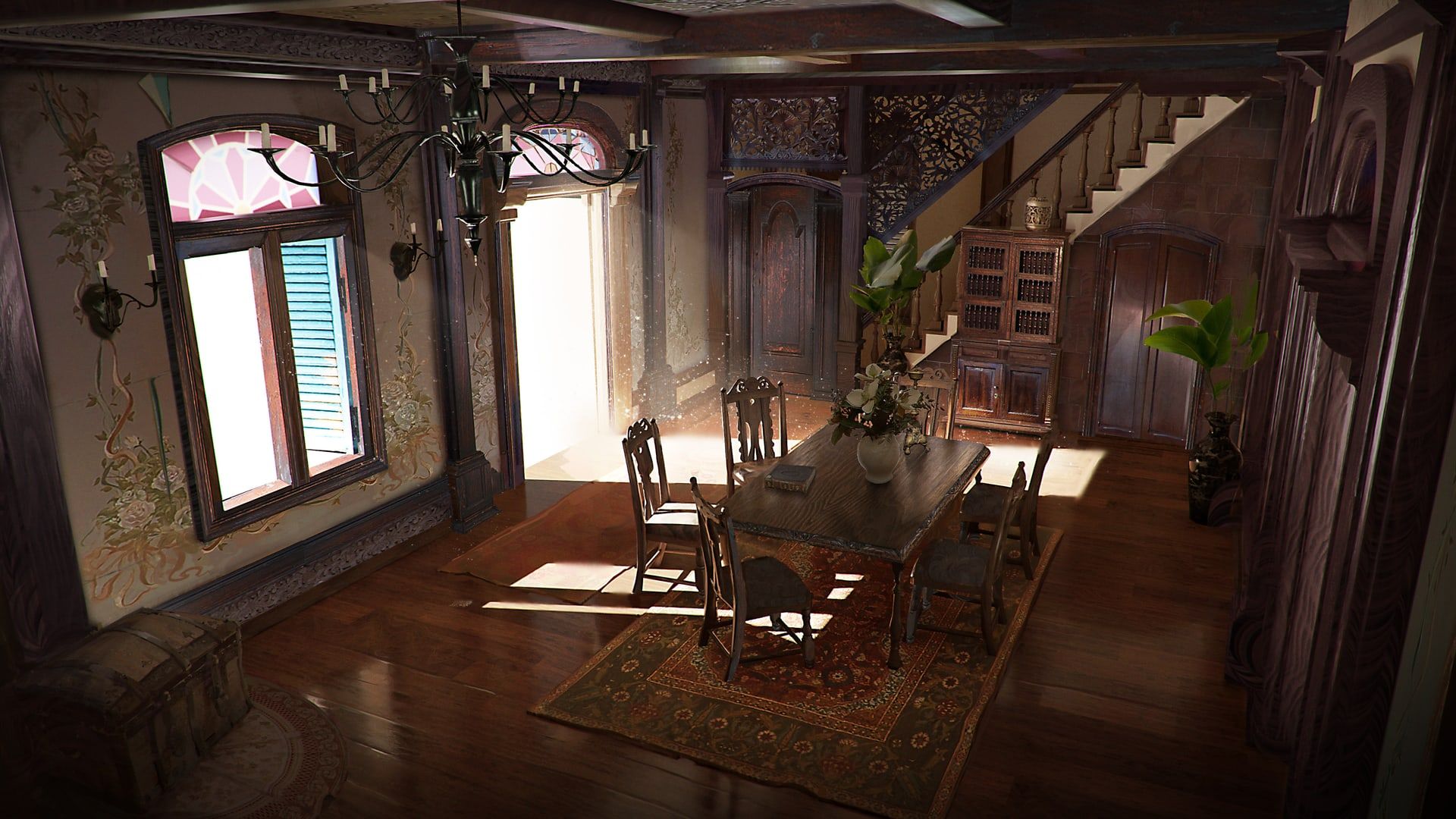
Use the Captain’s Cabin for ship and Edward customization, pet changes, and Kenway’s Fleet management; use a local Harbormaster at a Caribbean port for Jackdaw upgrades, weapon restocks, and buying or selling cargo. The split is deliberate. If you are standing in the Cabin looking for a cannon upgrade, the game is telling you to plan a port call, not hiding the menu.
In the original game, several ship-management functions were tied to the Cabin. Resynced moves the practical supply and upgrade work to local Harbormasters. Ubisoft says this makes resource management at sea more strategic: you must decide when to engage and when to return to port before the ship runs short of the tools needed for the next battle.
The division of labor
Here is the cleanest way to remember it:
| Need | Go here | What it is for |
|---|---|---|
| Change sails, figurehead, or other ship appearance | Captain’s Cabin | Cosmetic ship customization. |
| Change Edward’s outfit | Captain’s Cabin or outside it | Edward customization is not cabin-exclusive. |
| Change the ship’s pet | Captain’s Cabin | Personal ship customization. |
| Send captured vessels on missions | Captain’s Cabin | Kenway’s Fleet management. |
| Improve Jackdaw weapons, defense, or capacity | Local Harbormaster | Ship upgrades. |
| Refill ship weapons | Local Harbormaster | Operational restocking. |
| Buy or sell cargo | Local Harbormaster | Resource and economy management. |
The table is the answer most players need. The rest of the guide is about making the split work for you instead of turning it into another unnecessary fast-travel loop.
What the Captain’s Cabin is for
You can enter the Captain’s Cabin whenever Edward is not piloting the Jackdaw. Ubisoft lists four jobs there: customize the ship’s look, customize Edward’s appearance, change the pet, and manage the Fleet. In practice, the Cabin is the ship’s identity and long-horizon management room.
The Fleet is the important mechanical piece. Captured ships can be assigned to missions that generate passive income, trade goods, and rare activity spawns while you do other things. Fleet mission types require appropriate ship classes, and underpowered vessels can be destroyed, so the Cabin is a good place to make deliberate choices rather than clicking through a pile of captures. Use the Kenway’s Fleet guide for ship selection and repair priorities.
The Cabin is not where you solve an immediate shortage of cannon ammunition, repair capacity, or an underpowered hull. That boundary is useful. It separates “how I want the Jackdaw to look and grow over time” from “what the Jackdaw needs before the next dangerous voyage.”
What the Harbormaster is for
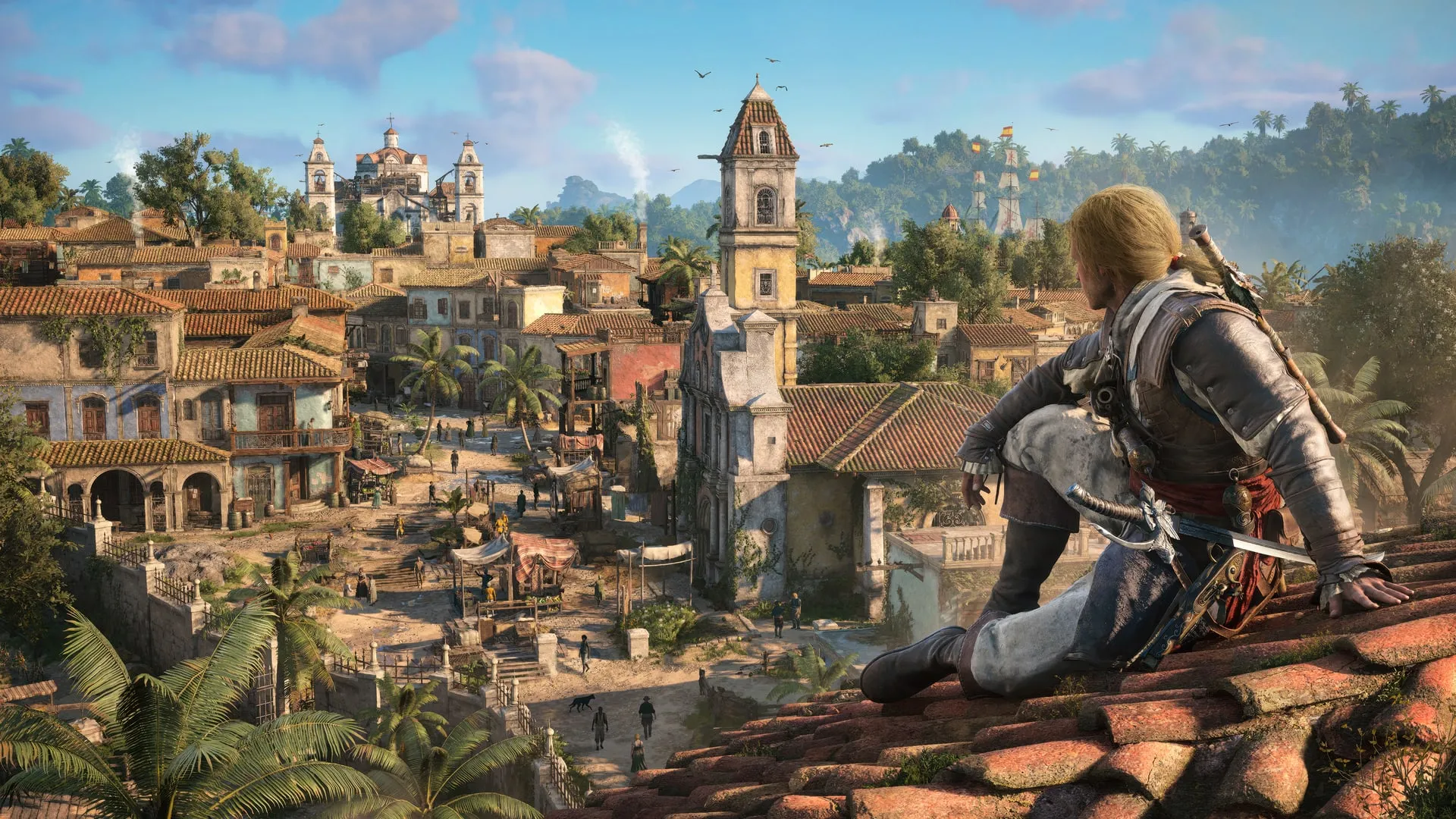
Harbormasters appear in a variety of Caribbean ports. Ubisoft identifies them as the place to purchase upgrades, restock ship weapons, and buy or sell cargo. These are the choices that decide whether the next voyage is sustainable.
Upgrades can increase weapon damage, improve defense against enemy ships, and increase weapon numbers. Cargo trading converts the things you collected into money or frees space for the materials you actually need. Restocking is equally important: starting a long hostile route with depleted ship weapons is not daring, it is a paperwork error with cannons.
Make the Harbormaster your pre-departure check when one of these is true:
- A planned encounter exposed a damage or survivability weakness.
- You have resources for a specific next upgrade.
- A long route or legendary attempt needs weapon stocks refreshed.
- Cargo is blocking a purchase or should be sold before another expedition.
- You are returning from several fights and want a clean baseline before exploring again.
This is also why the game asks you to make strategic decisions while offshore. You cannot assume every useful menu is a few button presses away from the wheel.
A better port routine
The best routine is compact: arrive with a reason, solve related problems together, then leave with a clear next job. First, check whether the Jackdaw’s current resources support the next objective. Second, sell cargo that does not serve the next upgrade and spend deliberately on the problem that stopped you. Third, restock weapons. Fourth, handle any Wanted-level issue through a port Officer if pirate hunters are making the route noisy.
That routine turns a port stop into a reset rather than a wandering shopping trip. It also makes strong use of the Captain’s Cabin split: fleet management can be handled when the long-term mission board needs attention, while the Harbormaster handles the launch checklist.
For a hideout-wide view of what to build next, read Great Inagua upgrade order. Great Inagua buildings can unlock Jackdaw upgrade tiers and Fleet slots, so the island and the Harbormaster reinforce one another rather than competing systems.
Do not sail to the wrong menu
Three common mistakes disappear once the separation is clear. First, do not look in the Cabin for weapon restocks or cargo trading; go to a Harbormaster. Second, do not treat a port as the only place to manage Kenway’s Fleet; that is Cabin work. Third, do not spend every boarding reward on a Fleet ship when the immediate voyage needs a repair, a Wanted reduction, or money from a Captain’s Lockbox.
That last point connects both locations. The Fleet is long-term value, but it is not always the best response after a boarding. The boarding versus sinking guide lays out the tradeoff. A well-timed repair can be worth more than a new Fleet hull if it gets the Jackdaw safely to the Harbormaster that unlocks the actual upgrade you need.
Prepare for the hard content
The Cabin and Harbormaster division becomes most obvious before Legendary Ships. The Cabin is where you make sure the ship’s broader identity and Fleet are in order. The Harbormaster is where you buy the upgrades, restock weapons, and trade cargo that support a serious attempt. Do not arrive at a high-difficulty endgame battle assuming a cosmetic menu doubles as a supply depot.
Likewise, bad weather and Pirate Hunters make port planning more valuable. A voyage that begins fully prepared has more options when storms add waterspouts or lightning, or when Wanted escalation adds pursuers. The goal is not to dock after every cannon shot. It is to dock before a lack of preparation turns an interesting voyage into a limp home.
The verdict
The Captain’s Cabin handles who the Jackdaw is and what its Fleet is doing. The Harbormaster handles whether the Jackdaw is ready to leave port. Learn that sentence and the menu split stops feeling like friction: it becomes a useful rhythm of customize, prepare, sail, and return with a purpose.
Sources
← Back to Guides