Black Flag Resynced Harpooning: How It Works and When the Resources Are Worth It
The short answer
Harpooning is worth doing when you need high-value resources for a specific upgrade or a cash injection; it is not a mandatory stop at every hunting ground. Resynced keeps it as a small-boat activity with finite harpoons and steady aim. Successfully killing a whale or shark rewards materials you can sell at the next port or spend on crafting upgrades.
The correct mindset is preparation, not tourism. Check what your next Jackdaw or crafting purchase needs, then hunt with a purpose. Stopping merely because an icon appeared turns a useful resource activity into a slow detour.
How harpooning works
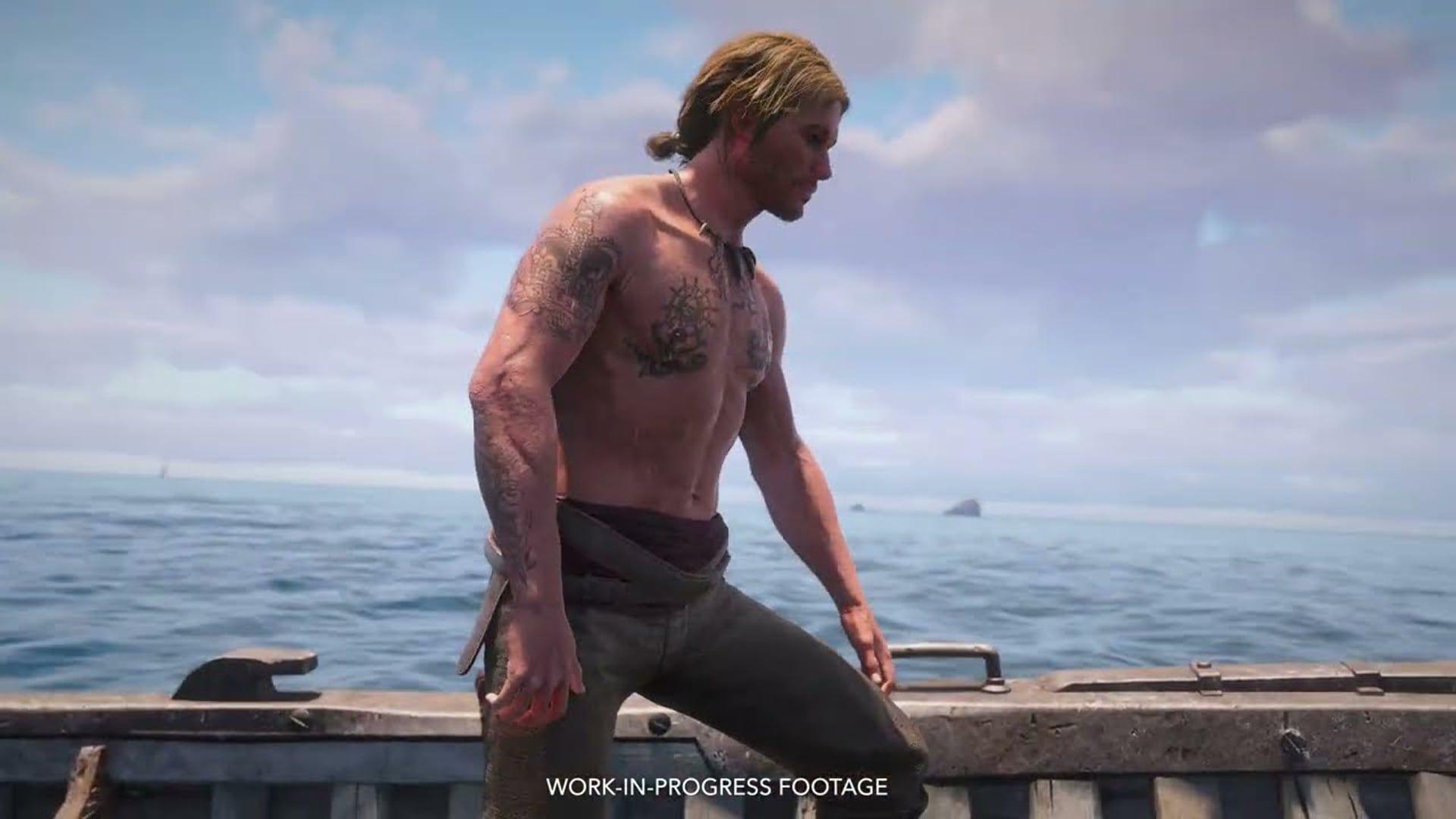
When you find a location with a whale or shark, Edward boards a small boat. Ubisoft describes the activity as a minigame built around finite harpoons and steady aim. That gives the encounter two immediate constraints: you cannot spray misses without consequence, and the right firing moment is more valuable than impatient throwing.
Treat the animal’s movement as the puzzle. Keep it readable, wait for a clean line, and use the limited ammunition to create a reliable sequence rather than trying to end the encounter in one rushed exchange. The same discipline helps everywhere in Resynced: a small accurate opening usually creates a cleaner finish than an expensive panic response.
Why the rewards matter
Ubisoft says a successful hunt provides high-value resources that can be sold at the next port or used for crafting upgrades. That means each hunt has two valid uses: convert it into money when a purchase is blocked by currency, or retain the materials when a crafting or upgrade path needs them.
Do not decide only at the moment you return to port. Before leaving one, look at the next upgrade you actually want. If the Jackdaw needs a weapon tier, hull improvement, or resource-related purchase, hunt toward that goal. If you have no immediate use for the material and a more efficient resource source is nearby, keep sailing.
The editorial rule is simple: harpoon for a need, not for a habit. That rule prevents a lot of slow early-game progress where the hold fills with things that do not unlock the next useful upgrade.
When to hunt
Hunt when one of these is true:
- A crafting or ship upgrade is currently blocked by high-value resources.
- You are returning to a port anyway and can sell without a major detour.
- You want a change of pace from naval fights but still need progression value.
- Your current Activities difficulty makes the encounter a satisfying practice challenge rather than a frustrating wall.
Skip the stop when you are already headed toward a time-sensitive objective, carrying a damaged Jackdaw through hostile water, or pursuing resources that a known ship target provides more directly. Harpooning is a tool in the economy, not the economy itself.
Spyglass first, commitment second
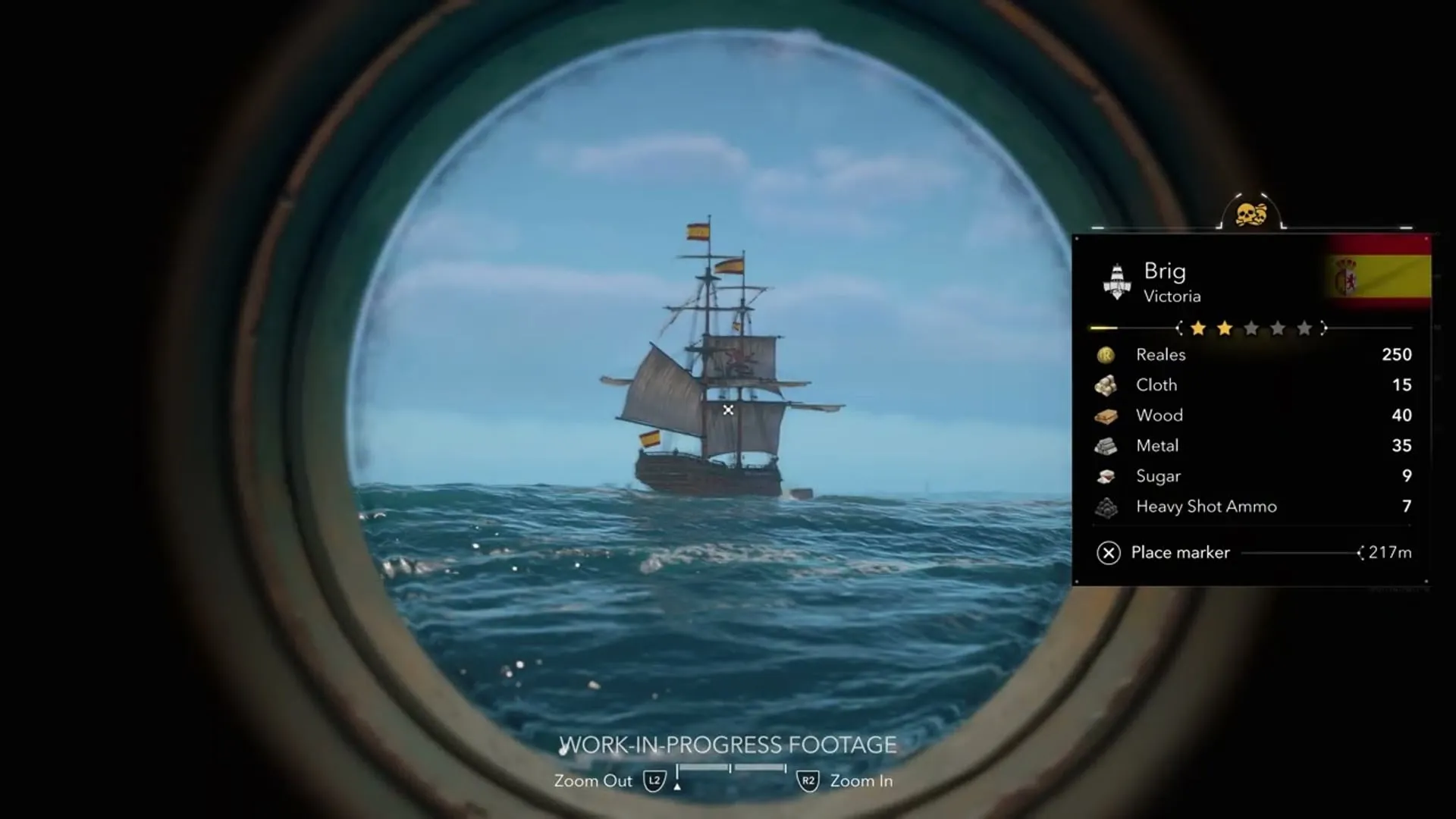
The Spyglass is useful for reading ships’ cargo, and the same planning attitude belongs in hunting. Survey your broader route before committing to a side activity. If you can combine a hunt with nearby loot, a fort, or a safe return to a Harbormaster, the time pays back better. If hunting pulls you away from an upgrade-defining objective, it can wait.
This is where the activity becomes more interesting than a simple sellable collectible. It asks you to balance immediate materials against the opportunity cost of remaining at sea. The best hunters are not the ones who stop most often; they are the ones who stop when the reward changes the next decision.
Difficulty affects the encounter
Harpooning sits under the Activities difficulty category. Ubisoft says Activities changes the damage Edward deals and receives, incoming attacks, and whether he can interrupt them, with the hard end requiring a perfect response in some cases. It also affects the broader diving and hunting ecosystem.
If the basic loop is new, use the middle setting and learn the aim-and-timing rhythm. If the hunt is just blocking a progression task, lower Activities rather than turning unrelated combat systems down. If you want the hunt to remain a serious mechanical challenge, raise that one dial and leave the rest of the campaign alone. The difficulty settings guide explains why separate sliders are useful.
A practical resource route
- Identify the exact upgrade you want next.
- Decide whether its missing value is better found by hunting, boarding, exploration, or fort capture.
- Hunt only if the high-value resources match the need or fit the route.
- Return to port and spend the result deliberately.
- Reassess before beginning another hunt.
For ship-focused resources, compare the return with boarding versus sinking. For underwater exploration rewards, see Dive Anywhere and the Diving Bell. A resource loop works when each activity has a distinct job.
The verdict
Harpooning is a focused resource activity: limited throws, steady aim, and a high-value payoff. Go hunting when it funds the next meaningful upgrade or fits a planned route. Otherwise, let the whales keep their afternoon and sail toward the problem you actually need to solve.
Sources
← Back to Guides